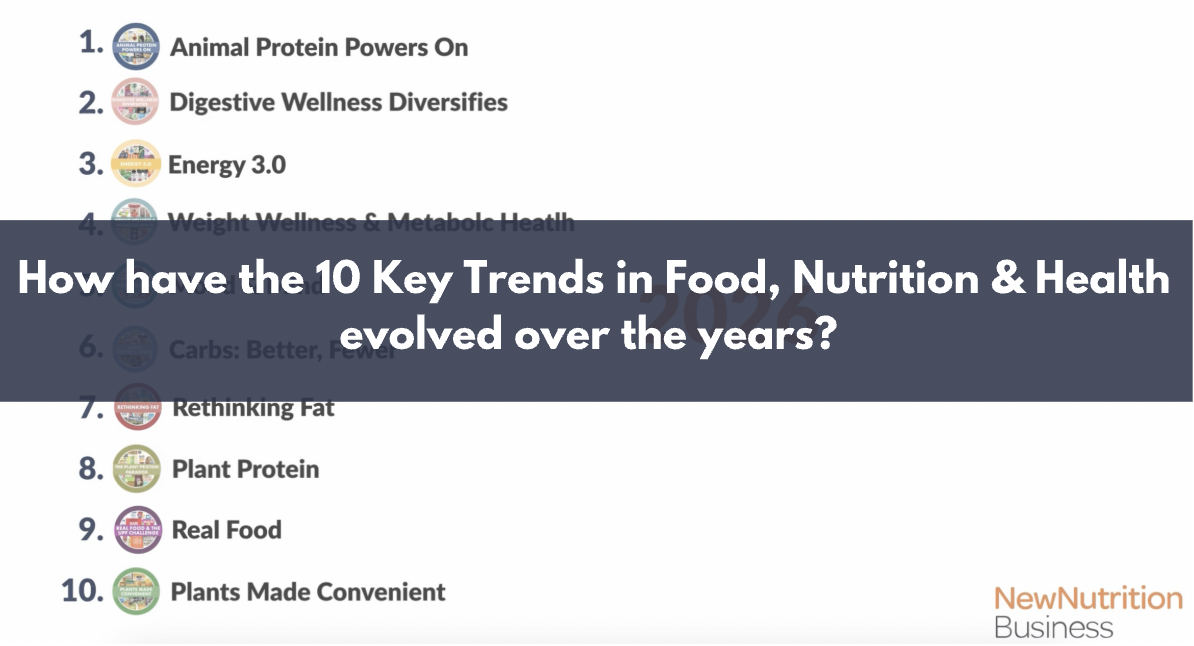
What are the biggest growth trends in food, nutrition and health?
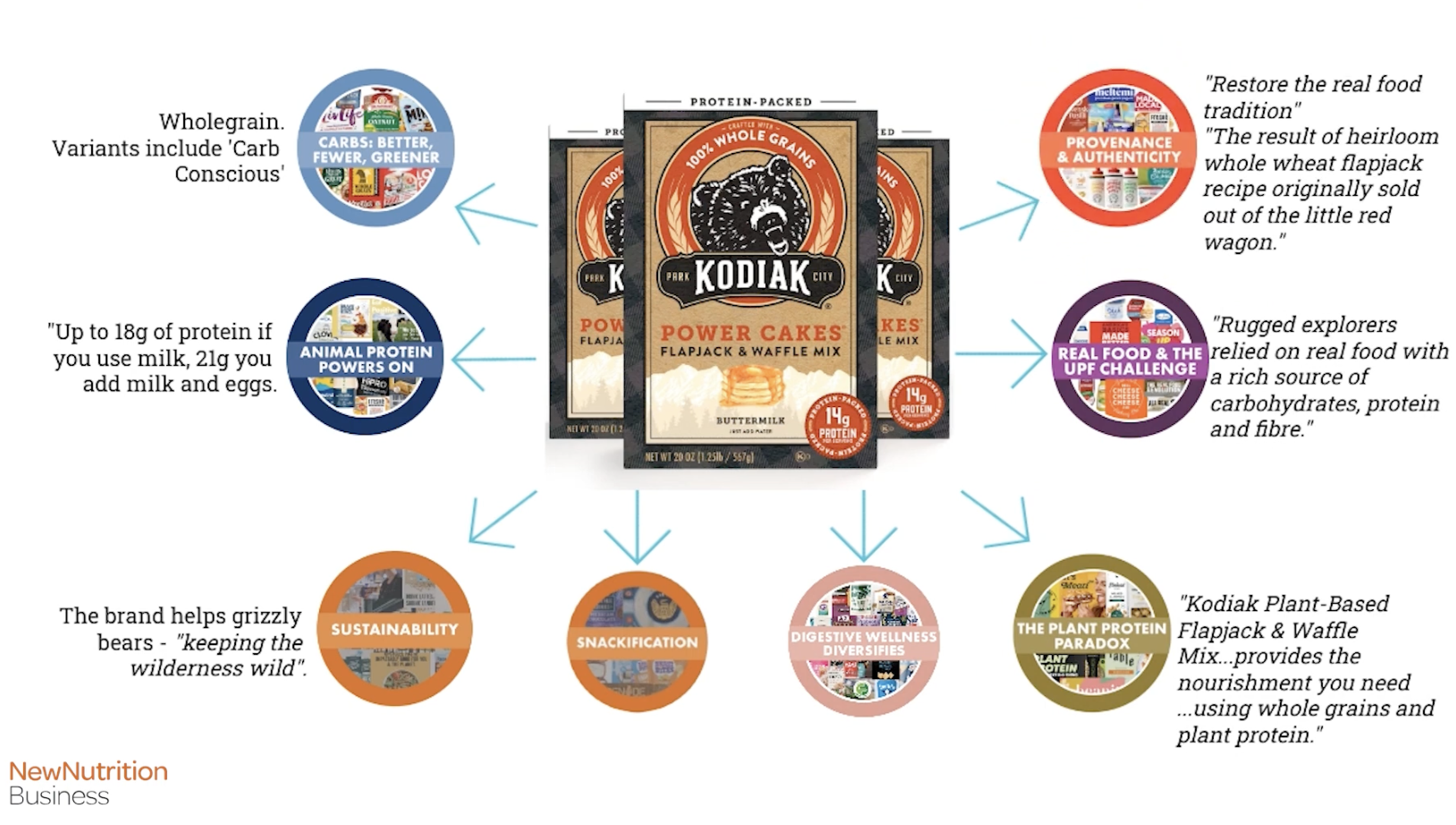
Connecting to the key trends: More is more!
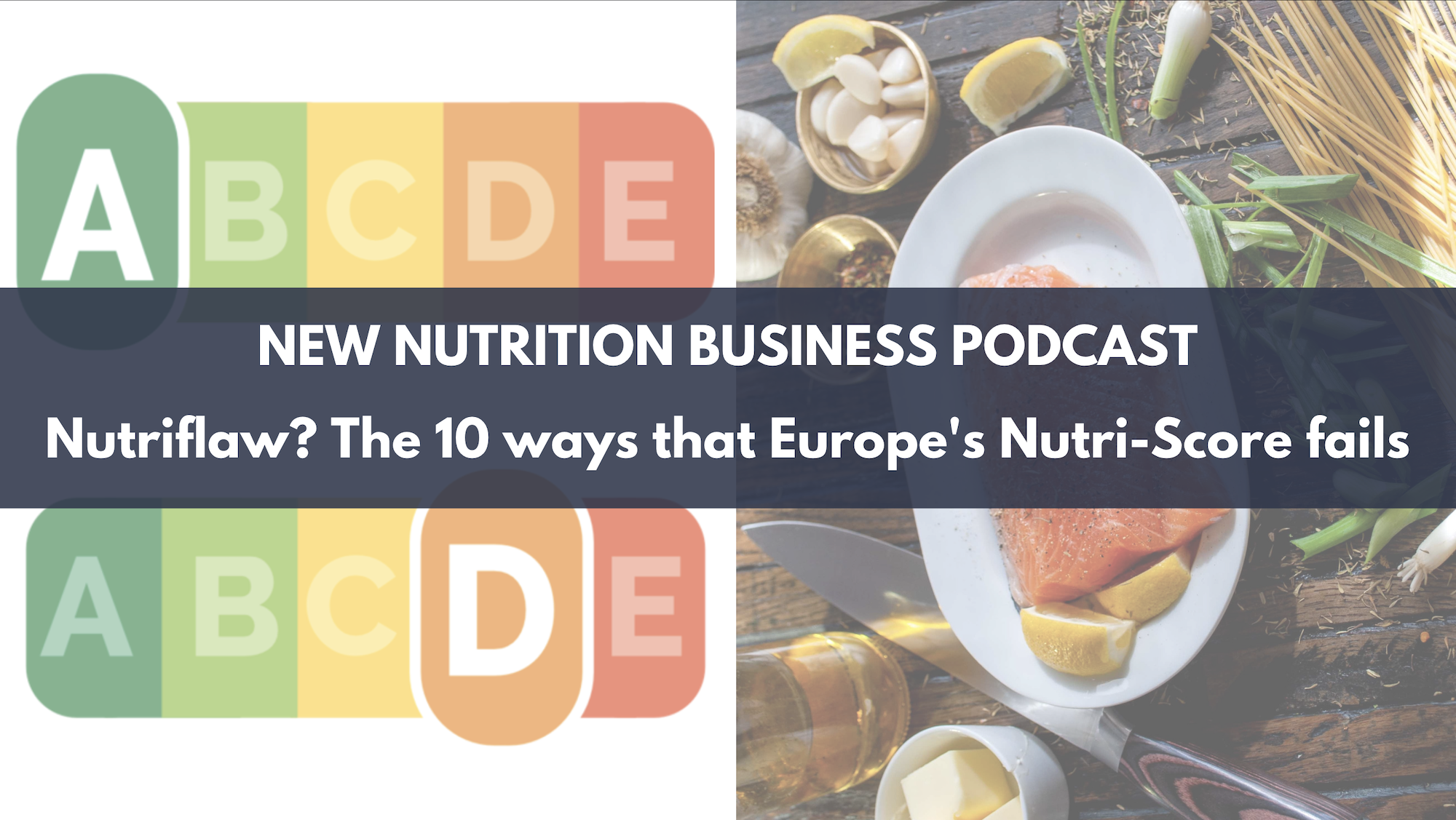
Podcast: Nutriflaw? The 10 ways that Europe's Nutri-Score fails
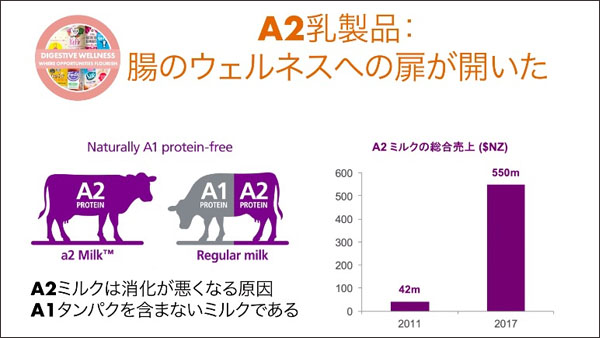
10 Key Trends 2019 (Japanese)
Trending reports
3 hot takes in food & health and how to handle them: GLP-1, healthy ageing, food as medicine
Over the years that New Nutrition Business has been tracking the business of food & health we’ve seen plenty of over-hyped “opportunities” come and go – too often taking with them a huge amount of companies’ money (most recently, the plant-based trend).  So to mark our 30th anniversary issue, we departed from our usual format to deliver something a bit different by exploring three opportunities currently being talked up in the industry – Healthy Ageing, GLP-1 and Food as Medicine. Our regular customers liked it so much that we have decided to make it more widely available as a Strategy Briefing.
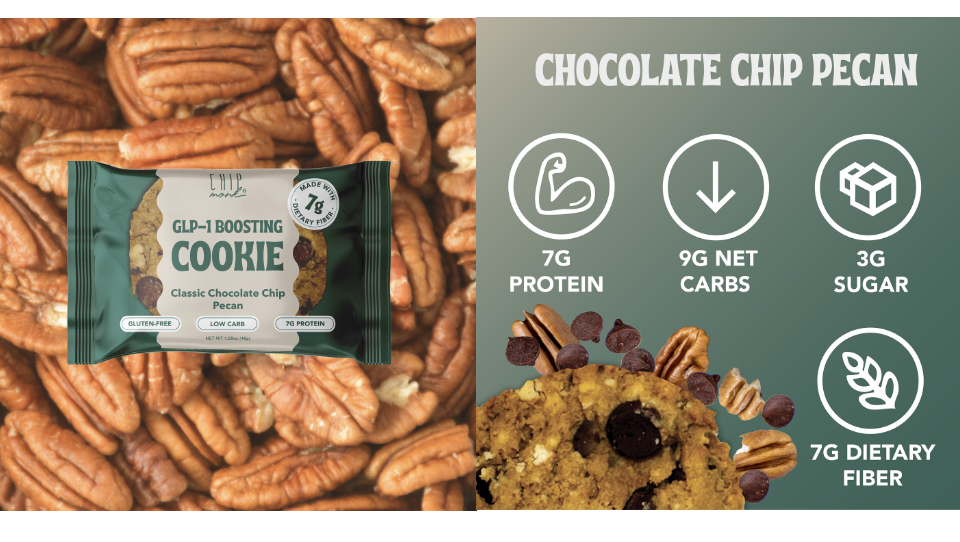
GLP-1: How to turn a threat into an opportunity
It seems like the whole world is talking about GLP-1a drugs and the threat they pose to the food industry. It's a ‘disruptive’ change, the narrative goes, because GLP-1a users are cutting their food spending in some categories (while increasing it in others).  GLP-1a is a bigger opportunity than threat, and one that is within the capabilities of most companies. Consumers have already been moving towards healthier eating patterns for 25 years. Many businesses are already doing the things that GLP-1 consumers need more of. In this 36-page strategy briefing we spell out the possible threats for food and drink companies, and more importantly, we define what the opportunities are and how you can connect to them.
Consumer Food & Health Attitudes 2025
Linking your strategy to the biggest consumer growth trends is a powerful tool. Knowing what consumers are thinking about how and what they eat helps you to refine your thinking and strategy.  Our five-country survey tracks long-term changes in consumer beliefs about food, nutrition and health. Every year we ask consumers in the USA, the UK, Australia, Spain and Brazil what they're eating, what they're avoiding eating, and much more. The data is laid out in 127 charts, with brief summaries and explanations.